Promoting Financial Management Skills in Individuals Recovering from Substance Use Disorders
In recovery, a lot of talk centers on emotions, spirituality, and self-awareness. One thing that likely isn't discussed enough is money management even though it might be one of the most important keys to a successful recovery.
Many people dealing with addiction use up their entire life savings to fund their addiction. As soon as they receive cash, they spend it on their substance of choice until they find their way into homelessness, poverty, and debt. Even those who don't find themselves in financial ruin begin to associate spending money with the rush of getting high. This can turn money into a powerful trigger or lead to spending on other things becoming a replacement addiction. For these reasons, money management is just as important as the "Big Three"—people, places, and things to avoid—and it is critical to understand this fourth threat to sobriety. Financial management is a life skill that many in recovery may not have learned or may have lost over the course of their active addiction.
While poor money management may not seem connected to being able to spend money on substances, it is directly tied to substance abuse. Poor money management leads to debt, and debt leads to stress. When a person begins to feel hopeless and unable to change their situation, they may turn to substances to cope. This is no different than the loss of hope that could come with struggling to find employment or having trouble paying bills. Like other relapse triggers, the key to avoiding relapse is to understand the trigger and learn how to avoid it. Recovery centers can start to teach and reinforce lifelong money management techniques like budgeting, tracking spending, having a bank account, and saving money. This education is key to steering people who are early in recovery down the right path.
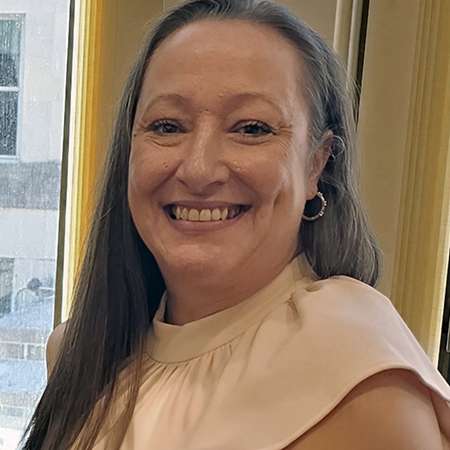
In November 2022, I attained certification as a HUD Certified Housing Counselor. Since that time, I have supported clients in their financial endeavors, which includes assisting with budgeting, providing financial education, setting and planning goals, enhancing assets such as homeownership, and improving credit scores. Throughout this journey, I have had the privilege of working with individuals recovering from Substance Use Disorders (SUDs), and I have recognized a significant demand for these services to facilitate their success. Currently, I hold the position of Financial Wellness Coordinator for a team of HUD Certified Housing Counselors, where I guide and support our team in helping clients achieve their financial objectives. Additionally, I am pursuing a Bachelor’s degree in Psychology, with an expected graduation date of May 2028.
This course will provide the necessary education to establish a platform for financial education and counseling that can be disseminated. It will facilitate the application process for grant assistance and data collection, while also promoting connections and building a supportive network to achieve the objective.